Herbs and Spices
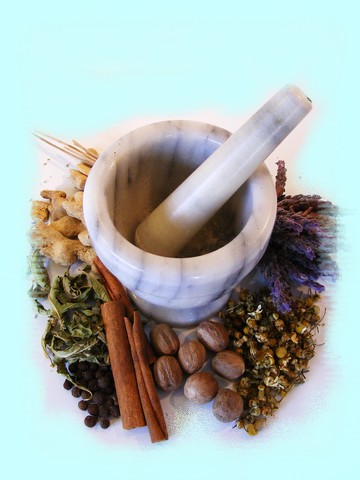
Herbs and spices give the traditional Cretan diet much of its flavour and aroma. Oregano, thyme and marjoram are the herbs Cretans use most often, and spices such as cinnamon and nutmeg often go into traditional dishes.
Cretans also make many herbs into aromatic teas. Greek mountain tea and dittany of Crete are the most popular, but Cretans also drink chamomile, lemon verbena and basil tea.
This page explains how Cretan cooks use each herb and spice. The myths and history behind basil, bay, marjoram, oregano, rosemary, sage, thyme and other wild herbs are on our herbs of Crete page.
Basil
Greek basil (vasilikos, meaning royal) is often called the "king of herbs". It suits any recipe that contains tomatoes, and it also goes well with vegetables, soups, salads, eggs, seafood, meat and game.
Bay Leaves
Bay leaves are an essential ingredient in Cretan cooking. Cooks add them to Greek stews and slow-cooked casseroles, and remove them before serving.
Chamomile
Chamomile is drunk on Crete as a herbal tea made from the dried flowers. Cretans traditionally drink it to settle the stomach and to relax before sleep. The European Medicines Agency's herbal monograph on chamomile flower recognises traditional use for minor stomach complaints such as bloating and for the symptoms of a common cold.
Chamomile takes its name from the Greek words for "ground" and "apple". The plant grows close to the ground, and its scent is very like fresh apples. Chamomile tea is popular all over Greece.
Cinnamon
Cinnamon flavours Greek desserts and sweet dishes, and also meat dishes such as traditional stifado. Cooks add whole cinnamon sticks, also called quills, to stews and sauces.
Cinnamon features in Greek legend. The phoenix, the mythical bird of rebirth, was said to build its nest from cinnamon sticks before rising from its own ashes. The ancient Greeks prized cinnamon for its aroma and added it to wine.
Cloves
Cloves are the dried, unopened flower buds of an evergreen tree, and they look like small nails. They are very aromatic, so use them sparingly.
Cloves appear mainly in Greek desserts and sweets, such as baklava. Cooks also stud whole cloves into meat for savoury dishes. Folk medicine uses cloves for toothache and upset stomachs.
Cretan Mountain Tea
Cretan mountain tea, also called Greek mountain tea or malotira, is made from the dried leaves and flowers of Sideritis syriaca, a plant that grows wild on the mountains of Crete. Cretans drink it hot as an everyday tea and traditionally for colds. The European Medicines Agency's herbal monograph on ironwort (Sideritis) recognises traditional use for coughs with a cold and for mild stomach discomfort. Our page on Greek mountain tea covers the plant and how Cretans use it.
Cumin
Cumin is a warm, strongly flavoured spice that Greek cooks use in meat dishes. It goes into marinades for lamb, bekri meze and spiced meatballs, and it also flavours traditional tomato-based red sauces.
Dittany of Crete (Diktamo)
Dittany of Crete, or diktamo, is an aromatic plant that grows only on Crete, on mountainsides and in gorges. Cretans have treated it as a cure-all since ancient times, and still drink it as a herbal tea. Our page on dittany of Crete covers the plant and its history.
Lemon Verbena
Lemon verbena is a small deciduous shrub with a strong citrus scent, which its leaves release when crushed. It replaces or adds to lemon in any dish that calls for lemon, and Cretans use the leaves to flavour olive oil for dressings and marinades.
Marjoram
Marjoram flavours most meat dishes in the traditional Cretan diet. It also suits tomato dishes and salad dressings.
Nutmeg
Nutmeg flavours the béchamel sauce for Greek moussaka and pastitsio. Cooks also use it in sweet dishes such as puddings, custards and spiced cakes.
Oregano
Oregano is one of the most used herbs in Greek cooking. It goes into tomato sauces and with meat, fish, cheese, eggs, salads and vegetables such as tomatoes, courgettes and green beans. Oregano tea is a traditional Greek remedy for indigestion and coughs.
Rosemary
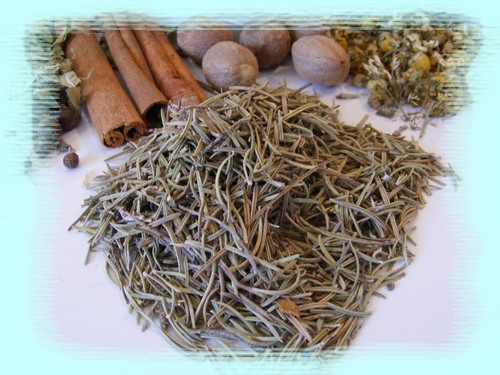
Rosemary suits a wide range of foods, particularly roast meat. Cooks also use it in marinades, bread, cooked greens and soups.
Sage
Sage has a strong flavour, so use it sparingly. Small amounts suit pork, duck, sausages, bacon and poultry. On Crete, sage is used when smoking sausages, and bakers place sage twigs in the wood-fired oven while baking dakos, the traditional hard bread of Crete.
Sage tea is a popular drink on Crete, traditionally drunk for menopause symptoms. The European Medicines Agency's herbal monograph on sage leaf recognises traditional use for mild indigestion and for excessive sweating.
Thyme
Thyme flavours olive oil, butter, vinegar, meat, poultry, fish, soups and stews, and adds seasoning to salads and cooked vegetables. Bees feed on the wild thyme flowers of Crete, which is why Cretan thyme honey is so popular on the island.
Want to discover even more of what Crete has to offer?
Explore hidden gems, must-visit spots, and insider tips below!